
Swedish vs Deep Tissue Massage: 7 Amazing Expert Differences to Know
Table of Contents
1. Introduction: Understanding Swedish vs Deep Tissue Massage
Navigating the choice between Swedish vs Deep Tissue Massage is one of the most crucial decisions you can make for your personal physical recovery and mental wellness. Selecting the wrong treatment option often means missing out on what your body truly needs—whether that is gentle stress relief or target-specific muscle rehab. Two of the most requested professional therapies at Queen Spa BD in Gulshan are Swedish massage and deep tissue massage. While both deliver transformative results, they cater to entirely different physical conditions and wellness goals.
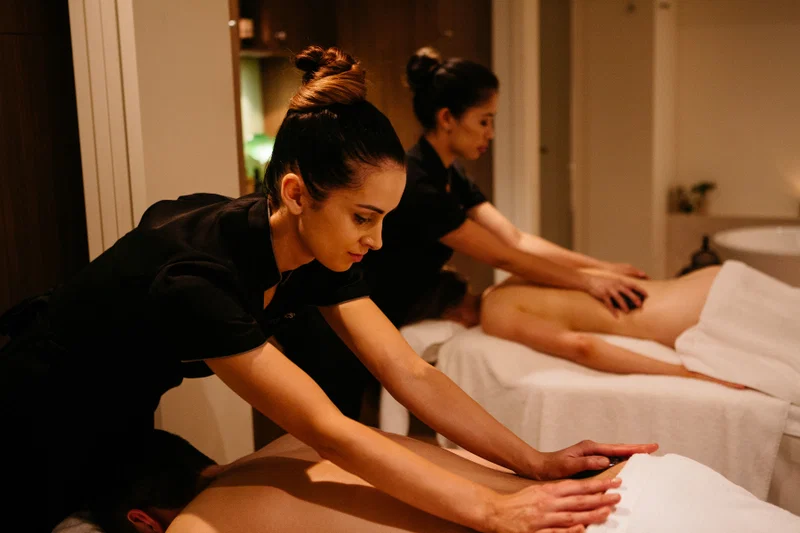
If you want to explore the science behind how professional bodywork reduces chronic physical pain, optimizes lymphatic drainage, and improves overall mobility, check out this comprehensive guide on Healthline’s Massage Therapy Insights. Clinical research published by the American Massage Therapy Association (AMTA) confirms that tailoring massage depth directly impacts stress reduction and recovery rates.
Here is a comprehensive breakdown to help you choose the ideal treatment path for your lifestyle, posture, and wellness needs.
2. What is Swedish vs Deep Tissue Massage?
Understanding Swedish vs Deep Tissue Massage comes down to three fundamental factors: pressure intensity, mechanical technique, and anatomical depth. While both therapeutic approaches aim to relax your body and alleviate physical stress, they approach muscle tension in completely different ways to deliver distinct physiological outcomes.
When evaluating Swedish vs Deep Tissue Massage, the key is identifying whether your discomfort stems from general mental burnout and fatigue or targeted structural tightness buried deep within your muscle layers.
3. The Gentle Art and Science of Swedish Massage
A Swedish massage is the foundation of modern Western bodywork and remains the classic, go-to choice for overall stress relief, nervous system regulation, and mental unwinding. Developed in the 19th century, this style focuses primarily on the superficial layers of muscle tissue and utilizes five core stroke techniques:
Effleurage: Long, gliding strokes towards the heart to warm up muscles and promote venous blood return.
Petrissage: Kneading and rolling movements that squeeze out toxins and increase local circulation.
Friction: Deep, circular rubbing motions to create thermal heat and break down minor surface tension.
Tapotement: Rhythmic tapping or percussion strokes to stimulate nerve endings and re-energize fatigued muscles.
Vibration: Gentle shaking or trembling movements to relax the entire neuromuscular system.
Swedish massage uses light-to-medium pressure combined with nourishing botanical oils. It is ideal if you want to relax without intense physical pressure—making it the perfect antidote after a long, exhausting work week in Dhaka.
4. The Therapeutic Power and Depth of Deep Tissue Massage
When comparing Swedish vs Deep Tissue Massage, deep tissue bodywork extends far beyond the surface fascia. It works directly into the inner muscle layers, tendons, and surrounding connective tissues. Rather than focusing on continuous gliding movements, deep tissue therapists utilize firm, slow, and concentrated pressure applied with knuckles, forearms, thumbs, and elbows.
The primary objective of deep tissue massage is to break down sub-dermal adhesions—commonly known as muscle “knots”—which are rigid bands of painful tissue that disrupt blood circulation, limit mobility, and cause chronic inflammation.
This approach is specifically engineered to treat chronic tension, stubborn shoulder knots, and lower back stiffness caused by poor posture, long desk hours, or intense physical training.
5. 7 Key Differences in Swedish vs Deep Tissue Massage
To master the topic of Swedish vs Deep Tissue Massage, let’s analyze the seven critical factors that set these two iconic therapies apart:
Pressure Level and Intensity: Swedish massage relies on light-to-medium pressure designed to soothe, whereas deep tissue utilizes firm, concentrated force that targets deep tissue layers.
Primary Wellness Goal: Swedish massage focuses on nervous system relaxation, stress reduction, and mental renewal. Deep tissue targets chronic pain management, postural correction, and structural rehabilitation.
Stroke Technique and Flow: Swedish relies on broad, sweeping, fluid strokes across large muscle groups; deep tissue uses slow, direct, transverse friction strokes perpendicular to muscle fibers.
Anatomical Depth: Swedish works on the top layers of muscle and superficial fascia; deep tissue penetrates into sub-dermal muscle groups, deep tendons, and fascia.
Sensation (Soreness vs. Relaxation): Swedish is universally soothing and pain-free. Deep tissue can induce brief, constructive discomfort as rigid muscle knots dissolve, occasionally followed by mild soreness for 24–48 hours.
Cardiovascular & Nervous System Impact: Swedish is unmatched for slowing heart rate, lowering blood pressure, and increasing serotonin. Deep tissue excels at increasing range of motion and releasing localized metabolic waste.
Target Audience: Swedish is best for beginners, pregnant women, and individuals seeking stress relief. Deep tissue is designed for athletes, desk workers, and those suffering from chronic injuries.
To review our complete suite of therapy options, explore our Queen Spa BD Services Page.
6. Health Benefits and Physiological Effects Compared
To better understand how these therapies affect your anatomy, consider this breakdown of physiological outcomes:
| Factor / Benefit | Swedish Massage | Deep Tissue Massage |
| Primary Focus | Superficial muscles & nervous system | Deep muscle layers & connective fascia |
| Pressure Scale | Gentle to Medium (2–5 out of 10) | Firm to Intense (6–9 out of 10) |
| Cortisol Reduction | High immediate drop | Moderate drop |
| Flexibility & Mobility | General joint loosening | Targeted adhesion release |
| Post-Session Soreness | Rare / None | Common for 24 to 48 hours |
| Best For | Stress, insomnia, anxiety, general fatigue | Sciatica, posture knots, sports recovery |
7. How to Choose the Right Therapy for Your Body
If you are still deciding between options, evaluate how your body feels today:
Choose Swedish Massage if you feel mentally drained, overwhelmed, sleep-deprived, or brand-new to professional bodywork.
Choose Deep Tissue Massage if you have persistent lower back aches, tight shoulder knots from sitting at a computer, or chronic structural tightness.
Not sure which is right for your body? The expert therapists at Queen Spa BD can evaluate your posture and physical condition upon arrival to recommend the exact treatment depth you need.
8. What to Expect During Your Session at Queen Spa BD
At Queen Spa BD, we ensure every treatment is delivered in an environment of absolute tranquility, safety, and luxury. When you visit our Gulshan sanctuary:
Personalized Intake Consultation: Your therapist conducts a brief pre-service review to discuss physical injuries, pressure preferences, and high-tension zones.
Private Luxury Suites: Enjoy private, temperature-controlled treatment rooms featuring ambient lighting, calming aromatherapy, and heated tables.
Strict Hygiene Standards: Fresh, sanitized linens, single-use oils, and medical-grade room sterilization guarantee peace of mind for every client.
9. Conclusion & Booking Information
Choosing the right therapy makes all the difference in your wellness journey. Experience world-class bodywork tailored strictly to your needs at Queen Spa BD today.
Want the full picture of what makes our facility stand out? Read our detailed guide on Why Queen Spa Bd Is the Best Spa in Gulshan.
Ready to experience total restoration? Visit our Contact Page or send us a direct message on WhatsApp at +8801705387556 to reserve your session today!