
Discovering the top 4 massage techniques to de-stress is essential when living in a high-intensity urban environment like Dhaka. Constant corporate deadlines, prolonged desk work, and daily traffic congestion along Gulshan and Banani take a heavy toll on physical and emotional health. Over time, unaddressed daily pressure transforms into chronic muscle tightness, executive fatigue, tension headaches, and poor sleep quality.
When stress accumulates in the shoulders, neck, and lower back, simply taking a break is rarely enough to restore full physical balance. You need a targeted, therapeutic bodywork strategy that calms your central nervous system while loosening tight muscle fibers. Medical research confirms that specialized bodywork regulates cortisol levels and improves overall physical vitality.
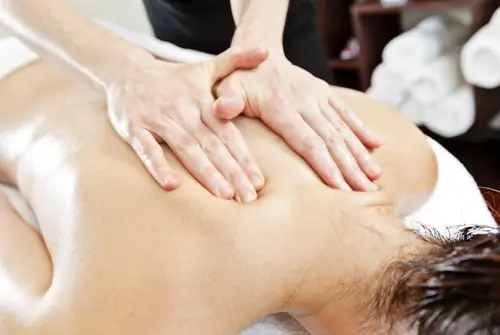
The Biological Science of Stress and Muscle Tension
To understand why applying the top 4 massage techniques to de-stress yields such powerful physical relief, it is helpful to look at human stress mechanics. When you experience prolonged mental or environmental strain, your autonomic nervous system activates its sympathetic “fight-or-flight” mechanism.
       CHRONIC STRESS CYCLE                     THERAPEUTIC DE-STRESS CYCLE
┌──────────────────────────────────┐     ┌──────────────────────────────────┐
│ • Elevated Cortisol & Adrenaline │     │ • Inhibited Cortisol Release     │
│ • Muscle Spasms & Tight Knots    │  vs │ • Increased Endorphins & Dopamine│
│ • Restricted Arterial Blood Flow │     │ • Vasodilation & Increased Oxygen│
│ • Insomnia & Executive Burnout   │     │ • Parasympathetic Nervous Reset │
└──────────────────────────────────┘     └─────────────────────────────────┘
During chronic stress, your adrenal glands continuously flood your bloodstream with cortisol and adrenaline. This hormonal overload forces skeletal muscles to contract repeatedly, restricting local blood circulation and trapping metabolic waste products like lactic acid.
Systematic manual therapy acts as a biological interrupt button. Specific stroke patterns and pressure application stimulate cutaneous mechanoreceptors, sending soothing signals to the brain. This lowers heart rate, dilates blood vessels, and initiates parasympathetic dominance—the state required for physical repair, cellular rejuvenation, and true mental rest.
Detailed Exploration of the Top 4 Massage Techniques to De-Stress
1. Swedish Massage: The Classic Nervous System Reset
Swedish massage stands as the cornerstone of Western therapeutic bodywork and is universally recognized as one of the top 4 massage techniques to de-stress the body and mind. This discipline focuses on relaxing surface muscle layers, enhancing peripheral circulation, and soothing nervous system irritation.
┌─────────────────────────────────────────────────────────────────────────┐
│                        SWEDISH MASSAGE MECHANICS                        │
├─────────────────────────────────────────────────────────────────────────┤
│ • EFFLEURAGE: Long, sweeping strokes to warm tissue & distribute oil    │
│ • PETRISSAGE: Gentle kneading & rolling to release surface tightness    │
│ • FRICTION: Deep circular rubbing to generate localized heat            │
│ • TAPOTEMENT: Light rhythmic percussion to invigorate tired muscles     │
│ • VIBRATION: Rapid shaking to release nervous system tension            │
└─────────────────────────────────────────────────────────────────────────┘
Anatomical Focus and Stroke Mechanics
Swedish massage operates primarily on the superficial skeletal muscle layers, subcutaneous fat tissue, and outer fascial sheaths using five distinct classical strokes:
Effleurage: Long, gliding strokes moving toward the heart to warm tissues, distribute organic essential oils, and encourage lymphatic drainage.
Petrissage: Gentle lifting, squeezing, and kneading of large muscle groups to improve elastic flexibility.
Friction: Concentrated circular motions across muscle fibers that generate localized heat and promote micro-circulation.
Tapotement: Soft, rhythmic tapping movements applied with cupped hands or finger pads to gently awaken dormant nerve pathways.
Vibration: Soft, rapid shaking of specific muscular regions to release underlying nervous tension.
Why It De-Stresses You
Swedish therapy is ideal for individuals suffering from overall mental exhaustion, daily corporate fatigue, or mild insomnia. Because the applied pressure remains within a gentle to medium range (3 to 5 on a 10-point scale), it relaxes the nervous system without triggering physical guarding or discomfort.
2. Deep Tissue Massage: Corrective Relief for Chronic Knots
When stress moves beyond general tiredness and creates rigid physical pain, Deep Tissue massage becomes an indispensable option among the top 4 massage techniques to de-stress. Unlike lighter relaxation therapies, Deep Tissue work is a functional, rehabilitative procedure that targets the sub-layers of muscle tissue and deep fascial structures.
SUPERFICIAL MUSCLE LAYER ──> Swedish Massage Target Zone
─────────────────────────────────────────────────────────
DEEP FASCIA LAYER ─────────┐
SUB-LAYER MUSCLE BUNDLES ──┼──> DEEP TISSUE MASSAGE TARGET ZONE
TENDONS & JOINTS ──────────┘
Structural Alignment and Adhesion Breakdown
Over months of high-stress posture, micro-injuries, and desk work, muscle fibers bind together to form hyper-irritable spots known as adhesions or “knots.” These knots impede local blood supply, restrict oxygen transport, and lock your posture into painful positions.
Deep Tissue therapists utilize sustained manual pressure and slow, deliberate strokes executed parallel or perpendicular to muscle grains (cross-fiber friction). By applying mechanical force using knuckles, forearms, thumbs, and elbows, the therapist manually breaks down matted collagen sheaths and opens deep circulatory pathways.
Why It De-Stresses You
Although Deep Tissue therapy uses firm to high pressure (7 to 9 on a 10-point scale), the resulting relief is profound. As deep muscular knots melt away, stored physical tension releases completely. This therapy is recommended for desk-bound executives, active fitness enthusiasts, and individuals dealing with persistent lower back or upper trapezius stiffness.
3. Traditional Thai Massage: Dynamic Assisted Stretching & Energy Clearance
Originating over 2,500 years ago, traditional Thai massage (often referred to as “assisted yoga”) takes an active approach to physical restoration, making it a standout entry in the top 4 massage techniques to de-stress. Blending ancient wellness principles and passive stretching, Thai therapy addresses both structural tightness and internal energy flow.
┌─────────────────────────────────────────────────────────────────────────┐
│                         THAI MASSAGE CORE ELEMENTS                      │
├─────────────────────────────────────────────────────────────────────────┤
│ • SEN LINE PRESSING: Rhythmic thumb & palm pressure along energy lines │
│ • PASSIVE YOGA STRETCHING: Lengthening tight tendons & spinal columns   │
│ • JOINT DECOMPRESSION: Opening hip sockets, shoulders & lumbar joints   │
│ • NO LUBRICATION REQUIRED: Performed over comfortable, loose spa clothing│
└─────────────────────────────────────────────────────────────────────────┘
Mechanical and Energy Line Dynamics
Unlike Western table massages performed with oils, traditional Thai massage takes place on a comfortable floor mat while the client remains fully clothed in loose spa attire. The therapist uses their hands, thumbs, knees, elbows, and feet to apply rhythmic compression along internal energy pathways known as Sen Lines.
The session incorporates dynamic, passive yoga stretches:
Spinal Extension and Decompression: Lengthening compressed vertebrae caused by hours of sitting.
Hip-Opener Rotations: Releasing tight hip flexors and piriformis muscles to alleviate lower back pressure.
Shoulder and Chest Expansions: Opening rounded chest muscles to restore deep, unrestricted diaphragmatic breathing.
Why It De-Stresses You
Thai massage decompresses tight joint sockets, improves flexibility, and stimulates arterial flow without oil application. It leaves you feeling physically light, agile, and energized, making it ideal for active individuals or those feeling physically sluggish.
4. Hot Stone Massage: Thermal Muscle Softening & Deep Heat Therapy
Hot Stone massage combines classic therapeutic strokes with the restorative application of heated volcanic stones, securing its place among the top 4 massage techniques to de-stress. This treatment is specifically designed to melt away stubborn physical tension using localized thermal energy.
NATURAL BASALT STONES (50°C – 55°C)
       │
       ▼
THERMAL TRANSFER TO DEEP TISSUE
       │
       ▼
RAPID ARTERIAL VASODILATION
       │
       ▼
IMMEDIATE MUSCLE FIBER RELAXATION & CORTISOL CLEARANCE
Thermal Physics and Basalt Mineral Properties
During a Hot Stone session, certified therapists utilize smooth, water-heated volcanic basalt stones. Basalt is chosen for its rich iron content, allowing it to retain thermal energy for extended periods. The stones are maintained at a safe, soothing temperature between 50°C and 55°C (120°F–130°F).
The therapist places warm stones along key energy centers of the spine, palms, and feet while using additional oiled stones as extensions of their hands to execute long, fluid strokes.
Why It De-Stresses You
Heat acts as a powerful natural muscle relaxant. As thermal energy penetrates deep into tissue, blood vessels dilate instantly, accelerating localized circulation and allowing tight muscle fibers to relax far faster than through manual pressure alone. Hot Stone therapy is ideal for individuals with cold sensitivity, severe muscle stiffness, or chronic anxiety.
Technical Comparison Matrix: The Top 4 Massage Techniques
| Feature / Metric | Swedish Massage | Deep Tissue Massage | Traditional Thai Massage | Hot Stone Massage |
| Primary Goal | Nervous system reset & light relaxation | Structural knot release & chronic pain relief | Joint flexibility & energetic clearance | Thermal relaxation & deep muscle softening |
| Pressure Intensity | Light to Medium (3–5) | Firm to Intense (7–9) | Medium to Strong (5–8) | Customized Medium (4–6) |
| Medium Used | High volume organic oil | Minimal traction balm | No oil (Performed fully clothed) | Organic warm oil & heated stones |
| Therapist Tools | Palms, finger pads, thumb sweeps | Knuckles, forearms, elbows | Thumbs, knees, feet & body weight | Heated basalt stones & hands |
| Post-Session Sensation | Immediate calm & lightness | Mild tenderness (24–48 hrs) | High energy & structural flexibility | Deep physical warmth & quiet rest |
| Best Suited For | Daily stress & first-time clients | Postural strain & chronic back knots | Stiffness, joint rigidity & posture repair | Cold sensitivity, anxiety & severe tightness |
How to Choose the Right Technique for Your Current State
Selecting from the top 4 massage techniques to de-stress depends on assessing your individual symptoms, pain threshold, and schedule:
Select Swedish Massage If: You are mentally burned out, brand new to professional therapy, or want a gentle relaxation treatment before evening rest.
Select Deep Tissue Massage If: You suffer from rigid shoulder knots, chronic lower back pain from long desk hours, or prefer deep, localized physical pressure.
Select Traditional Thai Massage If: You feel physically stiff, want to increase joint flexibility, and prefer an active stretching session without oils.
Select Hot Stone Massage If: You experience deep-seated muscle stiffness, dislike heavy manual pressure, or want to experience soothing thermal heat therapy.
Why Queen Spa BD Is Dhaka’s Premier De-Stress Sanctuary
Finding a professional, hygienic, and authentic spa facility in Dhaka is vital for receiving effective bodywork. Queen Spa BD has earned its reputation as the leading wellness retreat for corporate executives, international diplomats, and residents across Gulshan 2 and Banani.
       WHY CHOOSE QUEEN SPA BD?
┌────────────────────────────────────────────────────────┐
│ • Certified Master Therapists Trained in Anatomy       │
│ • 100% Hygienic VIP Private Suites with En-Suite Amenities│
│ • Premium Pure Botanical & Non-Comedogenic Oils        │
│ • Prime Gulshan 2 Location with Dedicated Client Parking │
└────────────────────────────────────────────────────────┘
Certified Master Therapists: Our practitioners complete rigorous training in human muscular anatomy, pressure control, and stress mechanics.
100% Hygienic Private VIP Suites: Sound-proofed, quiet rooms featuring individual climate control, warm lighting, sanitized linens, and private shower amenities.
Pure Botanical Oils: We use 100% organic, skin-nourishing botanical oils infused with soothing lavender, eucalyptus, and chamomile essences.
Prime Accessible Location: Conveniently situated at Road 55, House 12/A, Gulshan 2, offering easy access for clients from Banani, Baridhara, Uttara, and DOHS.
Essential Post-Massage Aftercare Protocol
To preserve the therapeutic benefits of your session, implement this expert aftercare routine:
Rehydrate Hydration Levels: Drink 2 to 3 large glasses of room-temperature water post-treatment. Manual manipulation releases trapped metabolic waste into the lymphatic system; hydration helps your body flush these toxins out efficiently.
Avoid Immediate Heavy Workouts: Refrain from heavy weightlifting, intense cardio, or strenuous manual labor for at least 12 to 24 hours to allow your muscle fibers to settle.
Take a Warm Evening Shower: Maintain elevated muscle temperatures late in the evening to prolong nerve relaxation and support a smooth sleep cycle.
Practice Light Diaphragmatic Breathing: Spend 5 minutes practicing slow, deep breathing before bed to reinforce the parasympathetic reset achieved during therapy.
Frequently Asked Questions
1. Which of the top 4 massage techniques to de-stress is best for beginner clients?
Swedish massage is the absolute best starting point for beginners. It uses gentle to light-medium pressure, high lubricity essential oils, and soothing rhythmic strokes that relax the entire body without physical discomfort.
2. Can I combine elements of different massage techniques in one session?
Yes! At Queen Spa BD, our master therapists frequently design custom hybrid sessions—such as combining gentle Swedish relaxation strokes with targeted Deep Tissue pressure on tight shoulder knots.
3. How frequently should I schedule a de-stress massage session?
For ongoing stress management and executive wellness, booking a session every 2 to 4 weeks is ideal. For corrective relief of severe muscle knots, weekly or bi-weekly sessions are recommended initially.
4. How do I reserve a private appointment at Queen Spa BD?
You can reserve your preferred session slot by calling or sending a direct message via WhatsApp to +8801705387556 or visiting our luxury facility at Road 55, House 12/A, Gulshan 2, Dhaka 1212.
Visit Us:
📍 Address: Road-11, House-67/d, Block-E, Banani, Bangladesh
WhatsApp / Call: +8801705387556
Operating Hours: Open Daily 24/7 Support Desk Available
Clean Spa Services Available:
Traditional Thai Massage | Swedish Massage | Deep Tissue Therapy | Hot Stone Massage | Aromatherapy Massage | Foot Massage | Dry Massage | Full Body Scrub | Back Pain Massage