
The beauty industry has experienced a major shift in recent years. Fueled by social media trends, viral skin hacks, and a wave of new consumer devices, at-home beauty treatments are more popular than ever. From LED light masks and microcurrent wands to DIY chemical peels and microneedling rollers, the promise of clinic-quality results from your bathroom is tempting.
However, taking advanced skincare into your own hands raises an important question: Are DIY skincare routines worth the risk?
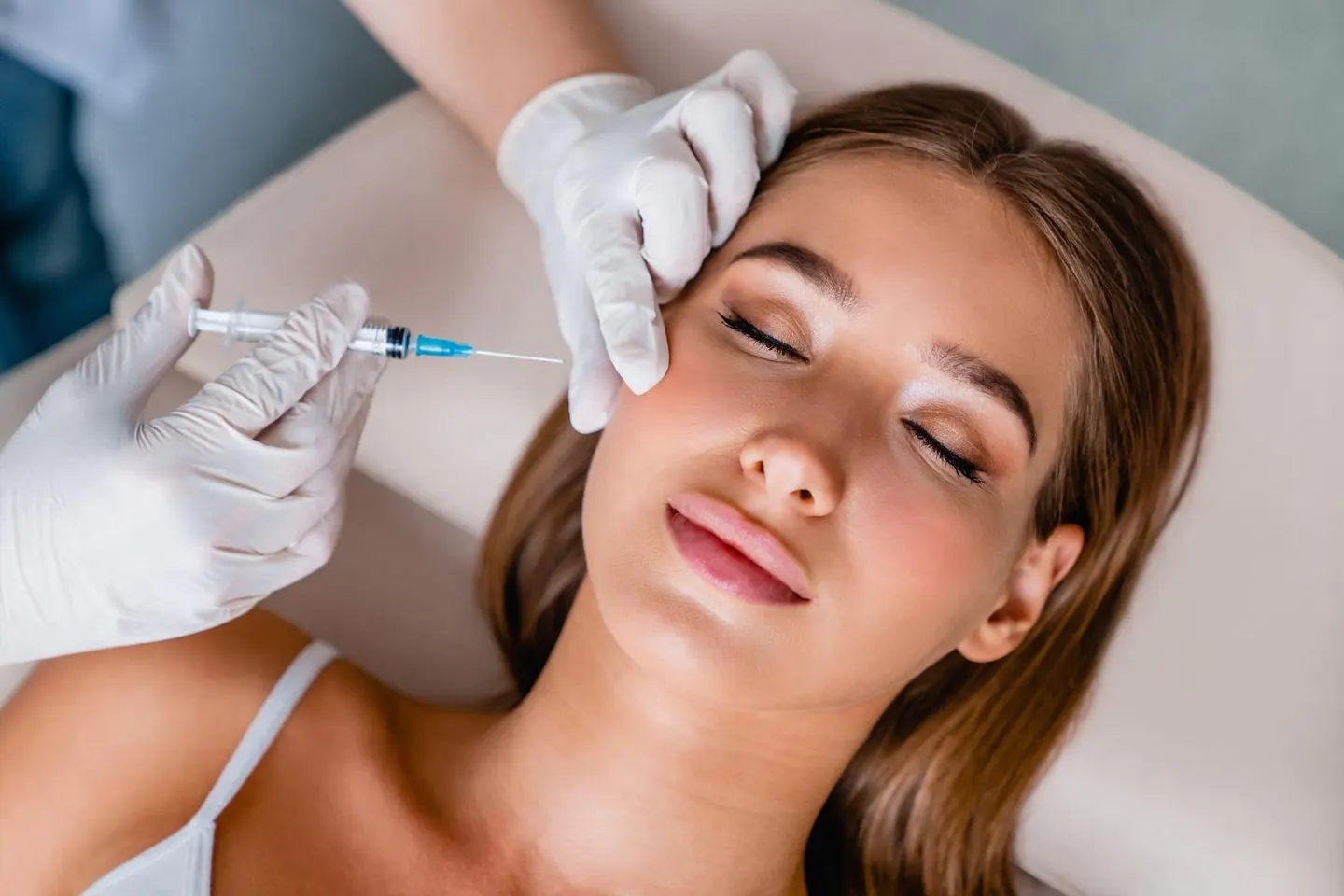
While performing basic at-home beauty treatments offers undeniable convenience, understanding where home care ends and professional expertise begins is essential for keeping your skin safe, healthy, and radiant. In this ultimate guide from Queen Spa BD, we break down the pros and cons of DIY aesthetics, highlight safety practices, and explain when it is time to trust your skin to trained hands.
Table of Contents
1. The Pros of At-Home Beauty Treatments
It is easy to see why DIY beauty routines have taken off. For everyday maintenance, home care offers several key advantages.
Key Advantages of DIY Skincare Care
+--------------------------------------------------------------------+
|                  THE ADVANTAGES OF AT-HOME CARE                    |
+------------------------------------+-------------------------------+
|  1. CONVENIENCE & COMFORT          | Pamper on your own schedule   |
|                                    | without travel or bookings.   |
|------------------------------------+-------------------------------|
|  2. COST ACCESSIBILITY             | Lower upfront investment for   |
|                                    | basic maintenance products.   |
|------------------------------------+-------------------------------|
|  3. COMPLETE PERSONALIZATION       | Total control over products,  |
|                                    | routines, and application.    |
+------------------------------------+-------------------------------+
Unmatched Convenience and Comfort: The main appeal of performing at-home beauty treatments is flexibility. You can fit a sheet mask, eyebrow shaping, or an exfoliating scrub into your day whenever it suits you—no travel, parking, or rigid schedules required.
Cost-Effectiveness for Basic Care: Professional clinical treatments require specialized equipment, sterile environments, and licensed practitioners. Everyday home alternatives—like hydrating masks or low-strength exfoliants—provide an affordable entry point to maintain your skin between clinical visits.
Personalization and Control: Managing your own care gives you complete control over product selection, ingredient choices, and application schedules.
2. The Cons and Risks of At-Home Beauty Treatments
Despite the benefits, DIY aesthetics carry significant risks when treatments cross the line from basic pampering into clinical-grade procedures.
                      [ UNREGULATED DIY USE ]
                                 │
        ┌────────────────────────┼────────────────────────┐
        ▼                        ▼                        ▼
 [ Safety Hazards ]     [ Limited Efficacy ]    [ Lack of Expertise ]
 • Chemical burns       • Surface-level only    • Misdiagnosis
 • Infection & scarring • Weak ingredient doses • Poor technique
 • Permanent damage     • Temporary results     • Delayed healing
Serious Safety Risks and Misuse
Without clinical training, using active skincare ingredients or invasive devices can lead to severe issues:
Chemical Burns: Using high-concentration acid peels incorrectly can strip the protective skin barrier, causing severe burns, hyperpigmentation, and long-term scarring.
Infections: At-home microneedling or pore-vacuum devices can introduce bacteria deep into the dermal layers, leading to breakout spikes or staph infections. Consult dermatological safety guidelines for details on micro-device infection risks.
Allergic Reactions: Applying strong active ingredients without testing first can cause severe contact dermatitis, redness, and swelling.
Limited Potency & Lack of Professional Expertise
Over-the-counter products are formulated with significantly lower concentrations of active ingredients than medical-grade formulations. While a store-bought mask can temporarily hydrate surface skin, it lacks the depth needed to treat deep wrinkles, structural volume loss, or severe hyperpigmentation.
Trained estheticians spend years mastering facial anatomy, skin chemistry, and sanitation. Without this expertise, treating complex issues at home can lead to misdiagnosing the problem and making it worse.
3. Essential Safety Rules for At-Home Beauty Treatments
If you incorporate DIY routines into your regimen, following strict guidelines is essential to protect your skin barrier.
+-----------------------------------------------------------------------+
|                      THE 4 GOLDEN RULES OF DIY SAFETY                 |
+-----------------------------------------------------------------------+
|  1. DO YOUR RESEARCH  | Rely on verified, professional sources, not   |
|                       | viral social media trends.                    |
|-----------------------|-----------------------------------------------|
|  2. PATCH TEST FIRST  | Test new products on a small patch of skin    |
|                       | 24–48 hours before full application.          |
|-----------------------|-----------------------------------------------|
|  3. FOLLOW DIRECTIONS | Never exceed recommended times or mix strong  |
|                       | active ingredients together.                  |
|-----------------------|-----------------------------------------------|
|  4. NEVER GO INVASIVE | Leave needles, medical peels, and high-power  |
|                       | lasers strictly to licensed professionals.    |
+-----------------------------------------------------------------------+
Always Patch Test First: Apply a small amount of any new product behind your ear or on your inner arm. Wait 24 to 48 hours to check for redness, itching, or irritation before putting it on your face.
Follow Manufacturer Instructions Exactly: More is not better when using active ingredients. Leaving an acid peel or exfoliant on longer than directed will compromise your skin barrier rather than deliver faster results.
Avoid Dangerous Viral Trends: Steer clear of risky online trends, such as home chemical peels, DIY microneedling, or mole removal. The cost of repairing damaged skin far outweighs initial savings.
4. When to See a Professional for Advanced Skincare
Understanding the difference between everyday skin maintenance and targeted clinical care keeps your skin safe and delivers the best long-term results.
Complex Treatments Require Trained Hands
Invasive procedures rely on advanced equipment and precise application. Medical-grade peels, laser treatments, micro needling, and injectables should only ever be performed by licensed estheticians or medical professionals to ensure safety. Check out our range of clinical offerings on the Queen Spa BD Services Page.
If a product causes severe irritation, persistent redness, or signs of infection, stop using it immediately. Consult a specialist right away according to standard clinical dermatology protocols. Explore complementary wellness guides like our article on Massage for Back Pain.
5. Frequently Asked Questions (FAQ)
Are at-home beauty treatments like LED masks safe?
Yes, most consumer LED masks are safe when used according to manufacturer instructions. However, they are engineered with lower energy output than clinical LED systems, meaning results require consistent, long-term use.
Can at-home micro needling rollers cause permanent damage?
Yes. At-home derma rollers can easily tear delicate facial skin, bend micro-needles, and harbor bacteria if not sterilized properly. This can lead to scarring, infection, and increased hyperpigmentation. Micro needling should always be conducted in a sterile clinical environment.
How can I safely blend DIY care with professional treatments?
Think of at-home beauty treatments as daily support for your professional procedures. Use gentle, hydrating, and protective products at home to maintain your skin barrier, while reserving deep exfoliation and specialized resurfacing for professional spa visits.
6. Protect Your Skin with Queen Spa BD
Your skin is your body’s largest organ, and treating it with care is an essential part of self-care. While at-home products are great for daily maintenance and relaxation, relying on professional expertise for complex procedures is the safest, most effective way to reach your long-term skin goals.
Unsure which treatments are right for your unique skin type?
👉 Let our team of specialists help you build a safe, personalized skincare routine.
Click Here to Message Queen Spa BD on WhatsApp to speak with our skincare experts or reserve your professional skin assessment today!
Disclaimer: The content in this blog post is for informational purposes only and does not replace professional medical advice. Always consult a dermatologist or qualified healthcare provider before starting new skincare protocols.