
1. Massages Help with Migraines: Introduction
Understanding how Massages Help with Migraines is essential for anyone seeking non-pharmacological relief from debilitating head pain. Migraines are more than just severe headaches; they are complex neurological events characterized by throbbing pain, sensitivity to light and sound, nausea, and intense pressure.
At Queen Spa BD, located in Gulshan, we work with many clients looking for holistic methods to manage chronic neurological stress. Clinical studies show that targeted bodywork reduces the frequency, duration, and intensity of migraine attacks. When integrated into a consistent self-care regimen, targeted Massages Help with Migraines by calming the nervous system and easing muscular restrictions.
This comprehensive guide explores the neurological mechanisms behind massage therapy, key pressure techniques, and how tailored treatments offer long-term relief.
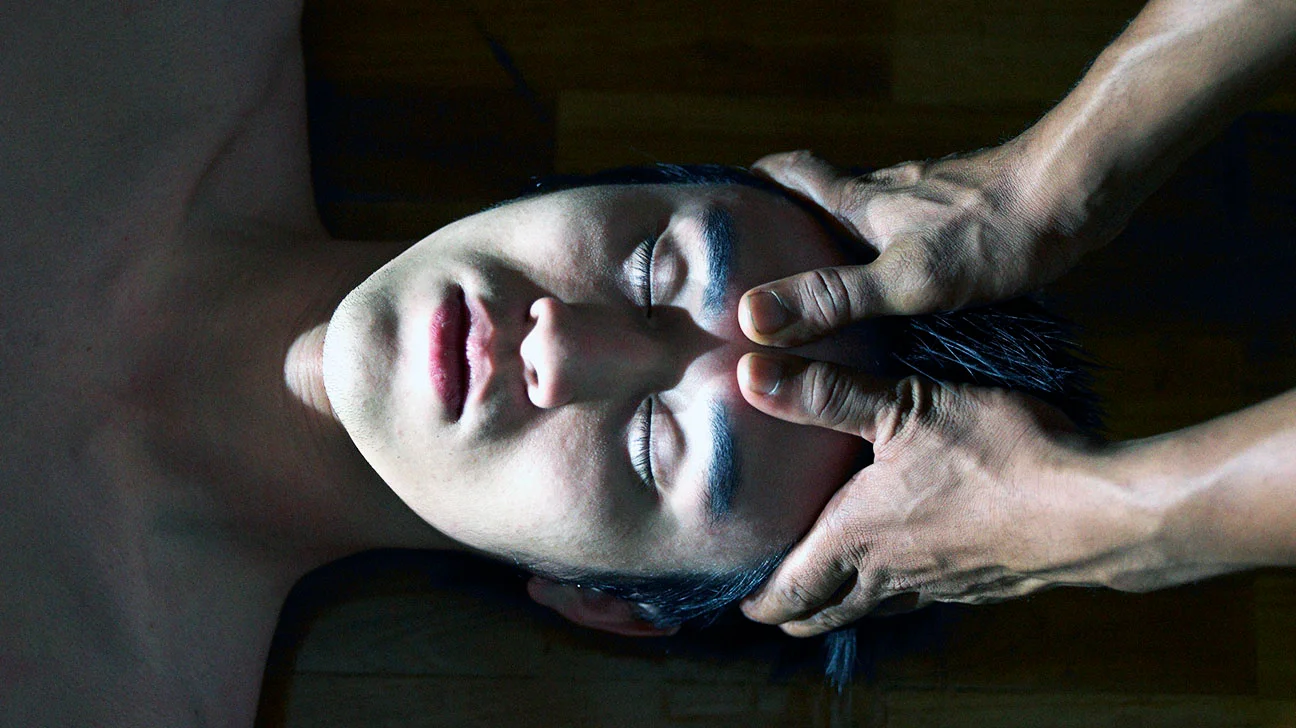
2. Understanding Migraines vs. Tension Headaches
To appreciate why Massages Help with Migraines, it is important to distinguish between primary headache types.
| Feature | Tension Headaches | Migraine Attacks |
| Pain Type | Dull, aching band across forehead | Throbbing, pulsating pain (often unilateral) |
| Associated Symptoms | Mild neck tightness, shoulder strain | Nausea, aura, extreme light/sound sensitivity |
| Primary Causes | Postural strain, stress, muscle fatigue | Neurological triggers, vascular changes, stress |
| Massage Impact | Relieves muscle spasms directly | Calms nervous system and reduces attack frequency |
While tension headaches stem directly from muscle tight spots, migraines involve complex vascular and neurological triggers. Massage therapy addresses both conditions by targeting the muscular triggers that frequently provoke migraine episodes.
3. 1. How Massages Help with Migraines by Relieving Muscle Tension
Physical tension in the suboccipital muscles (at the base of the skull), upper trapezius, and neck is one of the most common physical triggers for migraine onset.
The Neuromuscular Connection
When muscle fibers remain tightly contracted, they restrict blood circulation and press against surrounding nerves. Applying pressure to these cervical tissues releases built-up muscle spasms.
Long-Term Relief
Regular cervical massage reduces muscle tightness before it escalates into a severe headache. Research published by the American Massage Therapy Association confirms that therapeutic bodywork significantly decreases headache frequency and improves overall cardiovascular relaxation.
4. 2. Deactivating Myofascial Trigger Points
Myofascial trigger points are hyper-irritable spots within tight skeletal muscle bands that refer pain to other regions of the body.
[ Active Trigger Point in Shoulder/Neck ] ➔ [ Referred Nerve Pain ] ➔ [ Triggers Migraine Cascade ]
Suboccipital Release: Pressing key points at the base of the head stops pain signals traveling up into the temples.
Trapezius Deactivation: Kneading knots in the upper shoulders prevents referred tightness from reaching the jaw and facial nerves.
Temporalis & Jaw Work: Easing jaw muscle tension (often caused by teeth grinding) helps prevent temporal headaches.
5. 3. Regulating Serotonin and Cortisol Levels
Stress is widely recognized as the primary trigger for migraine attacks. Chronic stress elevates cortisol levels while depleting serotonin, a key neurotransmitter that regulates pain perception.
Physiological Hormonal Balance
Lowering Cortisol: Massage therapy lowers circulating stress hormones, helping shift your body out of a fight-or-flight state.
Boosting Serotonin & Dopamine: Physical touch stimulates serotonin release, acting as a natural pain inhibitor and stabilizing mood.
By keeping stress hormones balanced, regular bodywork lowers your overall vulnerability to daily migraine triggers.
6. 4. Promoting Deep, Restorative Sleep Patterns
Sleep disruptions and irregular sleep cycles are major contributors to recurring migraine episodes. Poor sleep lowers your pain threshold, making migraine attacks more likely.
Restoring Circadian Rhythm
Massages encourage parasympathetic nervous system dominance, promoting slower brainwaves associated with deep restorative sleep. Clients who maintain a regular wellness schedule consistently report deeper, uninterrupted night sleep, which directly cuts down morning headache occurrences.
Combining massage care with an effective spa routine helps stabilize your nervous system and improves long-term sleep hygiene.
7. 5. Enhancing Vascular Blood Flow and Oxygenation
Migraines are closely linked to vascular changes—specifically the constriction and sudden dilation of blood vessels in the brain and scalp.
Improved Hemodynamics: Massage techniques increase localized blood circulation, ensuring a steady supply of oxygen and nutrients to neck and cranial tissues.
Venous Return: Gentle lymphatic and vascular strokes help clear metabolic waste products from tight tissues, reducing localized inflammation.
8. Best Massage Modalities for Migraine Relief
Not all bodywork styles are suitable during an active migraine. Choosing the right modality ensures optimal therapeutic results without overwhelming your sensory system.
                  ┌── Craniosacral Therapy (Gentle alignment)
                  ├── Trigger Point Therapy (Targeted knot release)
Best Modalities ──┼── Neuromuscular Massage (Suboccipital focus)
                  └── Aromatherapy Massage (Peppermint & Lavender)
1. Craniosacral Therapy (CST)
This ultra-gentle technique uses light touch to release restrictions around the skull, spinal column, and sacrum, easing pressure within the central nervous system.
2. Trigger Point Therapy
Therapists apply steady, targeted pressure to specific muscular knots in the shoulders, neck, and scalp to deactivate active pain pathways.
3. Aromatherapy Massage
Incorporating cooling essential oils like peppermint (which contains natural menthol to boost blood flow) and lavender (known for calming nervous tension) enhances the pain-relieving effects of bodywork.
9. Pre and Post-Massage Protocols for Migraine Sufferers
To ensure your treatment delivers maximum benefits without triggering sensory overload, follow these essential guidelines:
Before Your Session
Timing Is Key: Schedule massage therapy during preventive periods rather than during an acute, full-blown migraine attack with aura.
Stay Well Hydrated: Drink plenty of water before your visit to prepare muscle tissues for deep manipulation.
After Your Session
Prioritize Fluid Intake: Drink room-temperature water or herbal tea immediately after your session. Read our complete guide on hydration during and after spa treatments to understand how water helps flush out released metabolic wastes.
Relax at Home: Avoid immediate exposure to bright screens or loud environments. Extend your relaxation by setting up a relaxing spa-like environment at home with dim lighting and warm baths.
10. Conclusion: Find Lasting Relief at Queen Spa BD
Understanding how Massages Help with Migraines empowers you to take a proactive, natural approach to managing chronic head pain. By releasing muscle knots, reducing stress hormones, and improving sleep quality, massage therapy offers a powerful pathway to lasting relief.
Ready to experience custom therapeutic relief tailored to your lifestyle?
Book your treatment with Queen Spa BD on WhatsApp: +8801705387556